

Home Blog

Australia’s Under-16 Social Media Ban: Latest Updates

Last Updated: December 13, 2025
Latest: Teens back on platforms within 24 hours using parents’ faces for age verification; many accounts never shut down


Australia’s Under-16 Social Media Ban: Latest Developments

Australia made history on December 10, 2025, becoming the first country to enforce a nationwide ban preventing children under 16 from accessing major social media platforms. The groundbreaking policy is already facing legal challenges and questions about its effectiveness.

This page tracks all major developments as the world’s first comprehensive social media age ban unfolds.


Latest Developments

December 12-13, 2025: Teens Already Back on Platforms Within 24 Hours

Parents Helping Kids Bypass the Ban

Fourteen-year-old cheerleader Lucy Brooks briefly lost some friends on Snapchat when Australia’s ban on social media came into effect on Wednesday, but within 24 hours, they were back. Many had made new accounts, with some borrowing the faces of parents and older friends who were happy to help them evade age detection technology.

Lucy noted “a lot of the time it was with the parents’ knowledge, but people are also using AI-generated pictures of people and videos, like getting AI to make a 40-year-old person”.

Many Accounts Never Shut Down

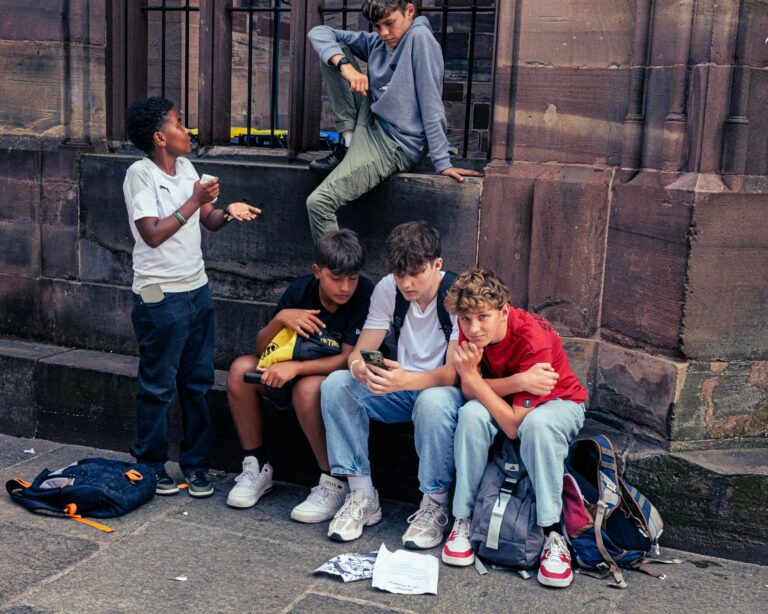
In a Sydney park, a group of four 15-year-old boys told CNN that none of them had lost their accounts. “I think it’s because I put my birthdate in as the year 2000 when I first signed up,” said one of the boys, his friends nodding.

Shar, a 15-year-old aspiring singer with 4,000 TikTok followers, reported “None of my accounts on any platform has been shut down, not even the ones that I put my real age”.

Business Impact Concerns

Lucas Lane, 16, who started his business Glossy Boys when he was 13 selling “skate-proof” nail polish mainly through Instagram, Facebook and TikTok, said “This social media ban is going to very much impact my business, and not only the business, but also the community and people here in Australia. I want people to be unique. I want people to be themselves, and I’m afraid that the government and the social media companies are not letting that happen”.

Government Celebration

To mark the ban’s introduction on Wednesday, Prime Minister Anthony Albanese hosted a barbecue at his Sydney residence with guests including parents of children who died by suicide after enduring cyber bullying. To celebrate the legislation, the Sydney Harbour Bridge was lit up in patriotic green and gold with the campaign slogan “Let Them Be Kids”.


December 12, 2025: Multiple Developments as Ban Faces Early Challenges

eSafety Commissioner Demands Compliance Data

The eSafety Commissioner announced she will send the 10 targeted platforms notices on Thursday demanding information on how the age restriction is being implemented and how many accounts have been closed, stating “We will provide information to the public before Christmas on how these age restrictions are being implemented and whether preliminarily we see them working”.

eSafety Commissioner Julie Inman Grant said the platforms already had the technology and personal data about their users to enforce the age restriction with precision, and that “the responses to these notices will form the baseline against which we will measure compliance”.

Kids Drawing Facial Hair to Fool Age Detection

Parents reported distraught children discovering they’d been shut out of platforms as the landmark law took effect, while some young children reported fooling the platforms’ age estimation technology by drawing on facial hair.

Communications Minister Anika Wells responded to reports of circumvention: “Just because they might have avoided it (detection) today doesn’t mean they will be able to avoid it in a week’s time or a month’s time because social media platforms have to go back and routinely check under-16 accounts”.

Wells also stated that the age-restricted platforms “may not agree with the law and that’s their right — we don’t expect 100% universal support,” but that all had undertaken to comply with the Australian law.

YouTube Issues Strong Criticism

YouTube published an official statement saying “this rushed regulation misunderstands our platform and the way young Australians use it. Most importantly, this law will not fulfill its promise to make kids safer online, and will, in fact, make Australian kids less safe on YouTube”.

The platform explained that because the law requires kids to use YouTube without an account, it “removes the very parental controls and safety filters built to protect them,” calling these “the unfortunate consequences of a rushed legislative process that failed to allow for adequate consultation and consideration of the real complexities of online safety regulation”.

Reddit Files High Court Challenge

US-based Reddit filed court documents challenging the validity of Australia’s social media ban law that “infringes the implied freedom of political communication,” calling for a review by Australia’s High Court.

Reddit argued that it should be exempt from the government’s list of banned platforms on the grounds that it is an online discussion forum aimed at adults, stating “Unlike other platforms included under this law, the vast majority of Redditors are adults, we don’t market or target advertising to children under 18. Simply put, users under 16 are not a substantial market segment for Reddit and we don’t intend them to be”.

The platform claims the law “has the unfortunate effect of forcing intrusive and potentially insecure verification processes on adults as well as minors, isolating teens from the ability to engage in age-appropriate community experiences”.

“While we will comply with this law, we have a responsibility to share our perspective and see that it is reviewed by the courts,” Reddit said.

Now Two Constitutional Challenges

Reddit’s suit follows a case filed last month by Sydney-based rights group Digital Freedom Project, with both suits claiming the law is unconstitutional because it infringes on Australia’s implied freedom of political communication.

The Digital Freedom Project filed proceedings with two 15-year-olds, Noah Jones and Macy Neyland, as plaintiffs, arguing the ban “robs” young Australians of their freedom of political communication, an implied right in the constitution.

The High Court will hold a preliminary hearing in late February 2026 to set a date for Digital Freedom Project’s challenge, though it is not yet clear whether the two challenges would be heard together.

Global Interest Intensifies

The New Zealand Government has promised regulatory change to address social media harm, with Education Minister Erica Stanford leading the work, and expects to introduce a bill this term addressing social media use among young people.


December 12, 2025: Reddit Files High Court Challenge

US-based Reddit filed court documents challenging the validity of Australia’s social media ban law that “infringes the implied freedom of political communication,” calling for a review by Australia’s High Court.

Reddit’s Main Arguments:

The platform’s challenge rests on two key points:

1. Reddit Isn’t Traditional Social Media

Reddit argued that it should be exempt from the government’s list of banned platforms on the grounds that it is an online discussion forum aimed at adults, stating “Unlike other platforms included under this law, the vast majority of Redditors are adults, we don’t market or target advertising to children under 18. Simply put, users under 16 are not a substantial market segment for Reddit and we don’t intend them to be”.

The platform emphasized “This law is applied to Reddit inaccurately, since we’re a forum primarily for adults and we don’t have the traditional social media features the government has taken issue with”.

2. Privacy and Age Verification Concerns

Reddit claims the law “has the unfortunate effect of forcing intrusive and potentially insecure verification processes on adults as well as minors, isolating teens from the ability to engage in age-appropriate community experiences”.

Pointing to the site’s age rating of “17+” on the Apple App Store, Reddit said the best way to verify age was at the app store level rather than requiring each platform to carry out checks, with a spokesperson saying there were serious privacy concerns associated with platforms verifying age, as the collection of personal data creates a risk of leaks or hacks.

Reddit Will Still Comply

“While we will comply with this law, we have a responsibility to share our perspective and see that it is reviewed by the courts,” Reddit said.

The platform elaborated: “Despite the best intentions, this law is missing the mark on actually protecting young people online. So, while we will comply with this law, we have a responsibility to share our perspective and see that it is reviewed by the courts”.

Now Two Constitutional Challenges

Reddit’s suit follows a case filed last month by Sydney-based rights group Digital Freedom Project, with both suits claiming the law is unconstitutional because it infringes on Australia’s implied freedom of political communication.

The Digital Freedom Project filed proceedings in the High Court of Australia with two 15-year-olds, Noah Jones and Macy Neyland, as plaintiffs in the case, arguing the ban “robs” young Australians of their freedom of political communication, an implied right in the constitution.

The High Court will hold a preliminary hearing in late February 2026 to set a date for Digital Freedom Project’s challenge, though it is not yet clear whether the two challenges would be heard together.

Australian media has reported that YouTube also threatened to launch a High Court challenge on the grounds that the ban burdened political communication.

Early Signs of Circumvention

The rollout is already facing challenges, with many young people posting on TikTok that they successfully evaded the age limitations.

Professor Terry Flew of the University of Sydney noted “there’s a fair amount of teething problems around it,” acknowledging “you were never going to get 100% disappearance of every person under the age of 16 from every one of the designated platforms on day one”.

Teenagers are seeking alternatives, with photo-sharing platform Yope reporting 100,000 new Australian users and TikTok-owned Lemon8 surging into the top 10 most-downloaded apps.

This trend confirms concerns raised by critics before the ban’s implementation. David Inserra of the Cato Institute warned that children would evade the policy by shifting to new platforms, private apps like Telegram, or VPNs, driving them to “more isolated communities and platforms with fewer protections” where monitoring is harder.

Government Response

An Australian government spokesperson said Friday authorities were “on the side of Australian parents and kids, not platforms,” stating “We will stand firm to protect young Australians from experiencing harm on social media”.

Platform Concerns

Meta, the parent company of Facebook and Instagram, raised concerns that teens could flock to darker, less regulated corners of the internet seeking connection with peers.

High-Profile Support

Prince Harry and Meghan, the Duchess of Sussex, said the ban is an urgent intervention that will help shield children from “unsafe and addictive platforms”, but argued it’s only a band-aid fix and does not tackle underlying issues with social media.


December 10, 2025: Ban Takes Effect

Australia became the first country to enforce a nationwide ban preventing users under 16 from accessing major social media platforms including TikTok, Instagram, Facebook, YouTube, Snapchat, X, Reddit, and Threads.

Prime Minister Anthony Albanese described it as about “giving kids a childhood” and putting tech giants on notice, stating young Australians are “starting their day a little differently — without social media”.

Accounts Removed

Meta began removing accounts on December 4, 2025, affecting approximately 350,000 Instagram users and 150,000 Facebook users aged 13-15, giving users time to download their content before the December 10 deadline.

Evidence Behind the Decision

A government-commissioned study found 96% of Australian children aged 10 to 15 use social media, with seven in ten reporting exposure to harmful content including misogynistic material, fight videos, and content promoting eating disorders or suicide, and one in seven experiencing grooming-type behaviour from adults or older children.

UNICEF Australia backed the decision, calling the ban essential to protecting children from escalating risks of cyberbullying, harmful content, online predators, and mental-health damage linked to early social media exposure.

Critics’ Concerns

UNICEF cautioned that age-related restrictions alone won’t keep children safe, warning in a statement that “while UNICEF welcomes the growing commitment to children’s online safety, social media bans come with their own risks, and they may even backfire”.

The organization explained that for many children, particularly those who are isolated or marginalised, social media is a lifeline for learning, connection, play and self-expression, and many will still access social media through workarounds, shared devices, or less regulated platforms, which will only make it harder to protect them.

Public Support

Polling from December 2025 shows 70% of Australian voters endorse the ban and 15% oppose its aims, though 58% were not confident the ban would work compared to 33% who were fully confident.

The majority (53%) of voters aim to pick and choose which platforms to allow their child to use, with 29% intending full compliance and 13% taking no action.


Background: How the Ban Works

The Law’s Requirements

The Online Safety Amendment (Social Media Minimum Age) Act 2024 requires ten platforms to take ‘reasonable steps’ to prevent under-16s from creating or keeping accounts, with platforms facing fines of up to A$49.5 million (approximately £26 million) for non-compliance.

Critically, parents and children face no penalties for attempting to circumvent the restrictions as the burden falls entirely on tech companies. There are no parental consent exceptions to the ban.

Which Platforms Are Covered

The ban currently applies to:

  • Facebook
  • Instagram
  • Reddit
  • Snapchat
  • TikTok
  • X (formerly Twitter)
  • YouTube
  • Threads
  • Twitch
  • Kick

Exempted Platforms

Services used for healthcare and education such as Messenger Kids, WhatsApp, Kids Helpline and Google Classroom are exempt.

Notably, gaming platform Roblox will not be banned, though the eSafety Commissioner has stated “there will not be a static list” of platforms due to changing services and technology.

Age Verification Technology

A report by Age Check Certification Scheme, a UK company recruited to consult on age verification technology, was issued in June 2025, ahead of the December deadline, with tech companies warning about inaccuracies in age-verification technology such as selfie-based age-guessing software.


What to Watch For

Near Term:

  • Reddit continues compliance while awaiting court proceedings
  • Preliminary hearing for the Digital Freedom Project case in late February 2026
  • Ongoing monitoring of circumvention methods and platform migration
  • Potential YouTube High Court challenge

Medium Term:

  • High Court rulings on constitutional challenges (timeline unclear)
  • Potential addition or removal of platforms from the banned list
  • Assessment of the ban’s effectiveness in protecting young people

Global Implications:

The policy rollout in Australia is being closely watched by tech firms and lawmakers worldwide as other countries including Denmark, Norway, Malaysia, and New Zealand consider their own moves to ban or restrict teen social media usage.

Sources:

Australia is trying to enforce the first teen social media ban – CNBC

“By banning social media for under 16, we’re giving children a childhood,” says Australian PM Albanese – Open Magazine

Australia Bans Under-16s From TikTok, Instagram, YouTube – IBTimes

Social media: Age-related bans won’t keep kids safe, UNICEF warns – UN News

Six months into Australia’s social media ban, most under-16s are still logging in

The ban has barely dented how many children are on social media. More than 85% of the under-16s Australia set out to protect are still getting onto at least one restricted platform, half a year after it became the first country in the world to bar them from holding accounts. And most of them aren’t using clever tricks to get around it. Their accounts were simply never removed.

What the evidence shows

Since December 2025, platforms including TikTok, Instagram, Snapchat, YouTube, Reddit and X have been required to keep under-16s off. Millions of accounts were deleted in the first wave. But a University of Newcastle study found that three months in, the large majority of 12 to 15-year-olds were still active on at least one of those apps each week.

Of the children who kept their accounts, most had needed no workaround at all. The platforms had failed to find and remove them in the first place. Among those who did have to get around a check, roughly seven in ten said it was easy: a false date of birth, a borrowed account, or a photo that fooled the age-estimation tool. Time online did fall for some children, mostly the older ones. The result the policy was sold on, a generation logged off, has not arrived.

The age checks are the weak link

A separate round of testing published in early July found the trouble starts before any face scan or ID check. Testers ran active accounts across nine of the ten regulated platforms and were never once asked to prove their age. The first stage, meant to estimate whether a user is likely under 16 from their behaviour and push suspected minors towards a stronger check, did almost nothing.

That first gate is the whole system. A ban that platforms are trusted to enforce depends entirely on the moment a child tries to sign up. If that gate never triggers, the stronger checks behind it never get used, and a child sails straight through.

Australia’s answer: bigger fines

Rather than abandon the policy, Australia has doubled the maximum penalty for platforms that don’t take reasonable steps to keep under-16s out, and given its online safety regulator stronger powers to demand information from the companies. Enforcement targets the platforms, not children or parents. Whether the threat of larger fines actually changes how the companies build their age checks is the question the next six months will answer.

Why this matters wherever you are

Australia is the test case the rest of the world is reading closely. The UK has confirmed it will follow the same model, and go further, with its own under-16 restrictions due in 2027. Several other governments are weighing similar rules. One platform, Reddit, is challenging the Australian law in court, which could change how far any of these bans can reach.

Every country considering a ban is watching whether Australia’s works in practice, not just on paper. So far the honest answer is that passing the law was the easy part.

What this means for you right now

If your country brings in a ban, or a platform your child uses switches on an age check, don’t assume it means your child is off. A rule on the books and a child logged out are two different things, and the checks meant to connect them are, for now, easy to slip past.

The levers you have at home haven’t changed. Knowing which platforms your child actually uses, keeping devices out of bedrooms overnight, and setting up the parental controls you can see and test yourself still do more day to day than a national ban the platforms are struggling to enforce. If you were hoping a ban would make the decision for you, the evidence six months in says it can’t yet.

Australia’s numbers are the first real-world data any government has on whether these bans do what they promise, so they will shape what the UK and others do next. We are following it on the Wired Parents tracker.

Sources:

Roblox has split under-16s into two tiers, and an age check now decides the rest

0

If your child is under 16 and plays Roblox, the app they opened this week is not the one they opened last month. As of 16 June, Roblox has sorted every younger user into one of two new account types, each with its own games, chat rules and parental controls, and what your child can actually do now turns on whether their age has been checked. Everything below comes from Roblox’s own announcements.

Two tiers, sorted by age

There are now three versions of Roblox, divided by age. Roblox Kids, for ages 5 to 8, is the most locked down: chat off by default, and access only to games rated Minimal or Mild that have passed an extra round of review. Roblox Select, for ages 9 to 15, widens the catalogue to Moderate-rated games and lets chat open up gradually as a child gets older. Standard Roblox, unchanged, is for users 16 and over. Accounts move up on their own, from Kids to Select at 9 and from Select to standard at 16. Put simply, both the games and the chat widen as the child ages, and the account enforces it rather than the parent.

The age check is the hinge

Which tier a child lands in, and what they can do once there, depends on an age check. Roblox offers three routes: a facial age estimate from a short selfie video, a government ID, or, for under-13s, a parent confirming the child’s age through a linked account. Until that check is done, a child is placed into Kids or Select by their typed-in birthday, but chat stays switched off entirely, whatever age they claim. The facial estimate is quick, but it works in age bands and can misjudge children near the edges, a younger-looking teenager pushed down a tier, an older-looking child read up one. If that happens, you can correct it with ID.

The sharpest changes are about contact, not content

Chat is now gated behind the age check for everyone, so an unverified account is a no-chat account. Where chat is available on a Select account, a child can talk only to others in their own or a similar age group, or to Trusted Friends, a label for people they already know off the platform. Sharing or viewing social-media links is now limited to verified over-16s, and not only in chat: it covers profiles, game pages and community areas too. That closes one of the common routes children used to move a contact off Roblox and onto a less moderated app. Roblox Moments, the clip-sharing feature, is switched off for both younger tiers at launch.

If your child makes games, not just plays them

One change is easy to miss if your child publishes their own experiences rather than only playing them. To keep a game visible to under-16 players, a creator now has to verify their identity, turn on two-factor authentication, and either hold a paid subscription or pay a one-off refundable publishing fee, then pass review. A child who builds on Roblox may find their game quietly drops out of the under-16 catalogue until those steps are done.

What this means for you right now

Verify your child’s age yourself, as the linked parent. It is the most reliable way to land them in the right tier rather than wherever a camera guesses, and on a Kids account it is also the only way to switch on any chat at all, which you may or may not want.

Once you are linked, check the Select chat settings rather than assuming the defaults sit where you would put them. They open up with age automatically, and the account makes that call unless you look.

Use the controls that now run through age 15: block specific games one at a time, set screen-time and spending limits, and read the friends list and the list of games your child actually plays, both of which the dashboard shows you.

And if your child is a builder, check that their published games still meet the new creator requirements, or they will disappear for their under-16 audience.

Where Roblox now sits, and how it compares with the other platforms your child uses, is on the Wired Parents Platform Safety Scorecard.

Sources:

What Toy Story 5 gets right about screens and play

Toy Story 5 could have made the tablet the villain. It chose not to, and that choice is the most useful thing about it for any parent watching their own child drift from toys to a screen.

I have not seen it. This is not a review, and the plot is not the interesting part anyway. The interesting part is a decision the people who made it have talked about openly, and what it signals to anyone who has watched the same thing at their own kitchen table. So we are clear: everything below about what happens on screen comes from the critics who have seen it, and the claims about why it was made come from the directors.

Pixar made the tablet the antagonist, then refused to make her evil

The premise is “Toy meets Tech”. Bonnie, now eight, is given a frog-shaped tablet called Lilypad, voiced by Greta Lee, and within minutes it is her whole world. It connects her to other children, arranges a sleepover, and leaves Woody, Buzz and Jessie in a heap on the floor. Lily is the antagonist. She is not the bad guy. That gap is the whole point.

Co-director Kenna Harris told Variety that plenty of people at the studio wanted Lily to be a straight villain, and that “it never made sense”, because everyone arrives at this question carrying loaded feelings about devices. Andrew Stanton, who made the screen-sceptical Wall-E nearly twenty years ago, put it the other way round: the device is not going away, it is the norm now, and nobody has worked out how to live with it. So they wrote Lily as well-meaning rather than malicious, and by the end she is the one who helps Bonnie make a real, in-person friend.

What the film shows about a child and a screen

It is not a soft film about screens, which is part of why it works. Bonnie goes glassy and almost zombie-like once Lily arrives. Her parents set screen-time rules and never enforce them. Her dad spends much of the film on his own device, missing what is happening to his daughter. At the sleepover, the other children mock Bonnie for still playing with toys, and she is bullied on the tablet’s built-in social network. Lily, trying to fix it, starts sending messages as Bonnie and has the old toys boxed away.

For the first time in the mainline series the film is rated PG, partly for this. The cyberbullying thread is the one to know about before you take a younger or more sensitive child, less because it is graphic, it is not, and more because it is the part most likely to prompt a real question on the way home.

What it gets right

The film keeps returning to the one thing the research is least equivocal about: the experience a screen cannot replace is two children in the same room making something up. It calls this imaginative play and treats it as a whole dimension of childhood rather than a nice-to-have.

Then it does the harder thing. Online connection, in the film, becomes a bridge to real friendship rather than a replacement for it, and Lily is ultimately the reason Bonnie meets a child she never otherwise would have. The film lands on balance, not abstinence, and refuses the easy moral that the device is the problem. That is a more honest ending than most of the discourse manages, and it is where this newsletter keeps landing too.

What this means for you right now

Use the film as a conversation, not a lesson. Watch it together and ask what your child made of Lily. Did they think she was the baddie? Who was right, the toys or the tablet? You will learn more about how your child sees their own screen from five minutes of that than from a month of monitoring.

Watch the dad, too. If a child is told to put the tablet down by an adult who never looks up from theirs, the rule was never going to hold.

Then take the one practical thing the film and the evidence agree on: protect some real, in-person play on purpose, because the default now is that it stops happening without anyone deciding it should. That is not the same as banning the device. Toy Story 5 does not ban Lily, and it is the better film for it. The screen is something to manage, model and talk about, not an enemy to defeat.

The short version, made for forwarding, is in this week’s newsletter, next to what Roblox just changed for every under-16 account.

Sources:

How to switch on the nudity blur built into your child’s phone

0

Most phones can now blur a nude image before your child ever sees it. The feature runs on the device itself, so nothing is sent to Apple or Google, it is already built in, and it costs nothing. The catch is that most parents have no idea it exists, and whether it is switched on depends on how the phone was set up.

Here is the honest version before the steps: if the phone is set up as a proper child account, this is often already on. Apple switches it on for under-18s once Screen Time is set up. Google switches it on for children managed through Family Link. So for younger children the job below is really a thirty-second check. It matters most for a teenager using an ordinary, grown-up account, where it will not be on unless someone turns it on.

On an iPhone

Apple calls it Communication Safety. It blurs nudity in Messages, AirDrop and FaceTime, and shows the child a warning with a way to get help.

  1. On your own iPhone, open Settings.
  2. Tap Screen Time.
  3. Scroll down and tap your child’s name. (If you are doing this on the child’s own phone instead, you will see the settings directly without this step.)
  4. Tap Communication Safety.
  5. Make sure it is switched on. Enter the Screen Time passcode if you are asked for it.

If it was already on, good, that is the default for a child account and you have just confirmed it. If your teenager is on a standard adult account rather than a child account, this is the screen where you turn it on.

On an Android phone

Google calls it Sensitive Content Warnings, and on most phones it works inside the Google Messages app. It blurs nude images before they are opened, sent or forwarded.

  1. On the phone you want to protect, open the Google Messages app.
  2. Tap your profile picture or initial in the top right.
  3. Tap Messages settings.
  4. Tap Protection & safety, then Manage sensitive content warnings.
  5. Turn on Warnings in Google Messages. If the phone asks to install Android System SafetyCore first, allow it, then come back and switch the warning on.

For a child managed through Family Link, this is on by default and they cannot switch it off. For a teenager on their own account, the steps above are how you turn it on.

What it does, and what it does not

It does one job well: at the moment an explicit image is about to be seen, sent or forwarded, the phone blurs it, warns the child, and offers a way out and a way to get help. All of that happens on the device, and neither Apple nor Google is sent the image.

It is not a filter for the whole internet, and it is not a guarantee. On an iPhone it covers Apple’s own apps; on Android it covers Google Messages. It will not catch everything inside every third-party app, and it does nothing to stop a fake image being made of your child somewhere else. Think of it as a seatbelt: worth having on, not a reason to stop paying attention.

The part no setting can do

A blur buys you a moment. What a child does in that moment depends on something you set up long before, in a single conversation: that an image can be faked or sent without warning, that if anything like this ever reaches them it is not their fault and not something to hide, and that you will help rather than be angry. The setting is two minutes well spent. The conversation is the thing that actually protects them.

How a child’s ordinary photo becomes a fake nude, and how to respond

In schools across at least 28 countries, children have opened their phones to find naked photos of themselves that they never took. The pictures are fake, built by an app that uses AI to undress an ordinary photo pulled from social media. Usually the person who made them sits a few desks away. This is the harm that nudify apps have made cheap and quick, and it is the one most parents have heard the least about.

What is actually happening

A nudify app takes a normal photograph and generates a realistic fake nude from it. Not a private picture, not anything risky: a school portrait, a holiday snap, a shot from sports day. WIRED and Indicator, investigating together, found reported cases in around 90 schools across 28 countries, affecting more than 640 children, and almost everyone working on this thinks the real figure is far higher, because schools handle it quietly and the children targeted tend to stay silent.

The direction is not subtle. The Internet Watch Foundation, whose job is to take child sexual abuse material off the internet, watched realistic AI-generated videos of it leap from 13 cases in 2024 to more than 3,400 the next year. The US national tip line went from a few thousand AI-image reports in 2023 to hundreds of thousands in the first half of 2025 alone. UNICEF puts the number of children targeted with sexual deepfakes in a single year above a million. And the victims are almost always girls, faked by boys they know.

Why “be more careful” misses the point

Your first instinct might be that children just need to be more careful about what they post. It is a fair thought, and it does not get you far, because the source image can be almost any clear photo of a face. A child who has never sent a private picture, who is barely online at all, can still be faked from a class group shot or a photo a friend uploaded. So this was never really about your child’s caution, which cuts two ways: you can’t fully prevent it by policing what they post, and if it does happen, your child is not the one who did something wrong, however much they may feel they were.

If it happens to your child

Two facts are worth knowing in advance, because they change how the moment feels.

It is a crime. In the UK, creating or sharing a sexual image of a child, AI-made or not, is already illegal. In the US, the TAKE IT DOWN Act makes knowingly publishing one a federal offence, with stiffer penalties when the victim is a minor.

The images can be removed, for free. The main routes are:

  • Under 18, internationally: Take It Down, run by the US National Center for Missing and Exploited Children, helps stop a nude image of a minor spreading across participating platforms.
  • Under 18, UK: Report Remove, from Childline and the IWF, does the same.
  • 18 and over: StopNCII.org.

US platforms now have to pull a flagged image within 48 hours of a valid report, and regulators have started going after the apps themselves. Wherever you live, your national child-protection line will deal with this directly.

If you are in the middle of it, the order that helps is:

  • Keep the evidence. Don’t delete everything in a panic. Screenshots and links are what get images removed and offenders identified.
  • Report it twice: to the platform, and to one of the takedown services above.
  • Tell the school. They can reach the rumours and the social fallout you can’t.
  • Report to the police or your national child-protection line.

Underneath all of it, lead with support. A targeted child is usually terrified and ashamed, and the thing survivors say lasts longest is not the image. It is the shame.

Have the conversation first

None of that works as well as a five-minute talk before any of it happens:

  • A photo can be faked into a nude, so seeing one doesn’t mean the real thing ever existed.
  • If it happens to you or a friend, it is not your fault, and not something to hide.
  • Come to me and I’ll help, not punish.

The most important thing is to get a frightened child to you early, while an image can still be contained, instead of quietly paying a blackmailer and hoping it disappears.

The wider world is catching up, slowly. App stores and the tools themselves are under real legal pressure now, and some governments are trying to block this material on the device itself. But that is partial and slow.

The takedown tools matter and the law is finally moving, but the protection that kicks in earliest is a child who already knows they can come to you.

Sources:

The UK has told Apple and Google to block nude images on children’s phones

0

The UK has decided the place to stop child nude images is the phone itself, not the apps running on it. On 8 June 2026 the government told Apple and Google they have until September to switch on technology that blocks children from taking, sending or viewing naked images, turned on by default across the whole device. If the companies do not act, ministers say they will pass a law to force them, with fines and, as a last resort, criminal liability for senior managers.

This is a separate move from the social media age ban announced a week later. That one is about which platforms a child can join, and it arrives in 2027. This is about the images themselves, and the deadline is months away.

What the technology is meant to do

The demand is for blocking, not blurring, and for the whole device rather than a single app. Protections like this already exist on phones, but they are switched on inconsistently, usually off by default, and often only soften an image rather than stop it. The government wants nudity blocked across the camera, messaging, search and third-party apps at once, with the setting on by default for any child and removable only by an adult who verifies their age.

It also wants this done without collecting any data. The idea is that the phone checks content on the device and blocks it there, with nothing sent anywhere. Ministers point to a British company, SafeToNet, as proof the approach can work in real time, including on livestreams, without information leaving the handset.

Why the government is going after the device

The target is self-generated images: pictures a child is pressured, groomed or tricked into taking of themselves. The government says 91% of online child sexual abuse reports recorded in 2024 contained self-generated content, and that the average child now sees pornography by 13, with more than a quarter of those who have seen it having done so by 11. This is also the layer where the deepfake problem lives, where an ordinary photo lifted from social media is turned into a fake nude. Stopping the device from producing or displaying that material is meant to cut the supply at its source.

The part that is contested

On the goal, there is rare agreement. The Internet Watch Foundation, the NSPCC, Barnardo’s and the Children’s Commissioner all backed the plan, most with the same caveat: it only works if it is enforced, and if children who share images are supported rather than criminalised.

The disagreement is about the method. Signal warned that scanning content across a whole device undermines the end-to-end encryption that keeps everyone’s messages private, and has said before it would rather leave a market than weaken it. Big Brother Watch called the plan surveillance by another name and a route to identity checks for every adult who wants to use a phone normally. The honest summary is that almost everyone wants children to stop being able to make and receive these images, and there is a real, unresolved fight over whether scanning the device is a safe way to get there.

What this means for you right now

Nothing changes on a phone today. This is a deadline, not a feature, and September is the date to watch: that is when it becomes clear whether Apple and Google build it or call the government’s bluff. Because it is framed as a world first, other countries will be watching the same date, and the move from policing apps to policing the device is a new front that tends to spread once one large market proves it works.

The practical thing within reach now is the conversation: that an ordinary photo can be turned into a fake nude, that blackmail after sending an image is common and survivable, and that there is always an adult to tell.

Sources:

The UK is following Australia’s under-16 social media ban — and going further

A second major country has now decided that children under 16 should not hold social media accounts. On Monday 15 June 2026 the UK government announced it will bar under-16s from TikTok, Instagram, Snapchat, YouTube, Facebook and X, with the rules expected to take effect in spring 2027. The burden falls on the platforms, not on children or their families.

Nothing changes on your child’s phone today. What changed on Monday is that the Australia model, until now a one-off, has a second large market behind it.

What the ban actually covers

The line is drawn at accounts, not the whole internet. Under-16s will not be able to hold an account on the six named platforms. Messaging stays outside it: WhatsApp and Signal are named as exempt, along with YouTube Kids, on the logic that private messaging and supervised children’s services do a different job from the open, algorithmic feeds the ban targets. The full list has not been finalised, which leaves a real question over hybrid apps like Telegram that mix private messaging with public channels capable of carrying extreme content.

Enforcement is built to land on the companies. Starmer said he is prepared to confront platforms that resist, and that children and parents who get around the rules will not be punished, even though he expects some teenagers to try. The duty to check ages, and the penalties for failing, sit with the platforms.

Where it goes further than Australia

Two additions stand out. The UK says it will also stop strangers from contacting children on gaming and livestreaming platforms, reaching beyond the usual social apps to where many younger children spend their time. And rather than letting protections vanish the day a child turns 16, it will keep some safeguards on by default for 16 and 17-year-olds, avoiding a cliff-edge.

The same announcement set a minimum age of 18 for AI chatbot apps that offer romantic or companion-style relationships, a category earlier rules had missed. That one deserves its own post, and it will get one. More is coming in July, when the government will set out plans for overnight curfews and forced breaks in infinite-scroll feeds for under-18s.

How platforms will actually check ages

The hardest question is how a platform proves a user is 16. The UK is reaching for a standard it already applies to adult-content sites, called highly effective age assurance, and Ofcom has been asked to run a rapid study on what that should mean for the under-16 line. This does not have to mean uploading a passport. Facial age estimation, where a camera guesses your age from a selfie, is an accepted method and needs no ID at all.

The catch is accuracy. Face-scanning is only reliable to within about 18 months, which makes 16 a genuinely hard line to police: a 15-year-old and a 17-year-old look much the same to the software, so ID checks are likeliest to be demanded right at the boundary. That is also where the privacy worry sits, and rights groups point to a major breach of age-verification data last year as a warning about what happens once this information is collected at scale.

What this means for you right now

Platforms do not build age-checking systems one country at a time if they can help it, so when a market the size of the UK demands age assurance, the machinery tends to get switched on far more widely. In more and more countries, no accounts before 16 is becoming the legal default, and that is now the backdrop to whatever you decide at home.

The detail to watch is how ages get checked. If facial estimation becomes the norm, the friction stays low; if platforms fall back on ID, the cost rises for adults too. No platform has said yet which way it will go. We will keep the country tracker updated as this moves.

Sources:

Apple just gave parents the controls they’ve been asking for

Apple is handing parents real new powers over their children’s devices, and several of them are things parents and child-safety experts have been requesting for years. Two stand out: children will need a parent’s approval before opening a new website, and parents will finally be able to set screen time limits app category by app category, so games, social media and entertainment each get their own allowance instead of sharing one blanket limit. Apple previewed the features at its developer conference on 8 June 2026, and they arrive with this autumn’s software updates.

The new controls

Four features sit at the centre of the update, and they add up to the most substantial improvement to Apple’s parental tools in years.

Ask to Browse is the one parents have wanted for a long time. A child can no longer wander onto any website they like. When they try to open a site that isn’t already allowed, they have to request permission, and that request goes to the parent to approve or decline, across Safari on iPhone, iPad and Mac.

Time Allowances is the other big one. It replaces the single daily limit with limits by category, so you can be generous with educational apps and strict with social media in the same settings screen. The starting points draw on guidance from child development and online safety experts, and you can adjust them to suit your family.

A redesigned Screen Time pulls everything into one clearer dashboard, with a better view of where a child’s time is actually going and the ability to pause access in a single tap.

A simpler setup starts a child’s device with a small set of essential apps and lets you add more over time, which is far easier than handing over a fully loaded phone and clawing things back afterwards.

The content filter now catches violence too

Communication Safety, the feature that automatically blurs nude images before a child sees them, is being extended to cover graphic violence and gore in shared photos and videos. It stays switched on by default for every account belonging to someone under 18, and the detection happens on the device, so the images are never sent to Apple.

The one catch: timing

The only thing to keep in mind is that this is a preview. Apple showed the features to developers in June and will release them with its autumn software updates, so there is nothing new to switch on just yet. It is worth knowing the upgrade is coming, and worth getting ready for it, rather than going looking for Ask to Browse on your child’s phone this week.

What this means for you right now

The good news is you don’t have to wait to benefit. The single most useful thing you can do today is make sure your child’s device is on a child account, because everything Apple announced builds on top of that.

A child Apple Account set up through Family Sharing already gives you Screen Time limits, content and privacy restrictions, and the current version of Communication Safety that blurs nudity. It all lives under Settings, then Screen Time. Switch Communication Safety on now and the new violence and gore filtering will activate automatically when the autumn update lands, with nothing more for you to do.

So if moving your child onto a proper child account has been on your list, this is a good moment to do it. The setup gets easier in the autumn, and every new control arrives on top of protections that are already working for you.

Apple has also launched a dedicated site for parents and built the American Academy of Pediatrics’ Family Media Plan into its products, both available to read today.

Sources:

The screen-time rules worth keeping when school stops

When the school routine disappears, most of your screen-time rules can go with it, and that’s fine. The daily cap you set for homework nights was built for a schedule that no longer exists. But two things still need your eye, and which one matters depends on your child. For the kid with a phone, it’s what happens overnight. For the one who’d happily game from breakfast to bedtime, it’s something else entirely.

Most term-time screen rules have one thing in common. They exist to protect something specific: the early alarm, the homework slot, the bus to catch. When those pressures lift, clinging to every limit creates more friction than it’s worth, and the rule stops matching the life around it. The holidays are a reasonable time to let some of that go. Two rules are the exception, for two different reasons.

The rules that were really about school

A rigid daily time cap is the clearest thing you can relax. Two hours made sense when a child had six hours of lessons, homework, and a protected bedtime stacked around it. With none of those in place, the exact number on the timer matters far less than what the time is doing. A long, rainy afternoon inside one good game or film is not the same thing as restless, joyless scrolling, even if the clock reads the same.

So rather than defend the number, watch the shape of the day instead. If your child is sleeping well, getting outside, seeing people they like, and doing something away from a screen now and then, the precise count of hours is not the thing to fight over. The holidays are short. Some slack is part of the point.

For the phone kids: hold the bedroom rule

Screens in the bedroom overnight are a different matter, because the evidence behind that one doesn’t take a holiday. It isn’t about schedules. It’s about sleep, and sleep doesn’t know what month it is.

The research here is unusually consistent. A systematic review pulling together 44 studies and more than 239,000 children found that having screen-based devices in the bedroom was associated with shorter and worse sleep. And it isn’t only a snapshot. A prospective study following early adolescents found that having a television or internet-connected device in the bedroom predicted shorter sleep a year later, and that children who left their phone active overnight were more likely to struggle falling and staying asleep than those who switched off at bedtime.

In the holidays this quietly gets worse. There’s no alarm forcing a stop, the late-night group chat runs on, and a phone charging by the bed turns every notification into a wake-up. A later, looser bedtime is a fair holiday trade. A phone within arm’s reach all night is the part that does the damage.

For the gamers: watch what’s getting crowded out, not the clock

If your child’s pull is gaming rather than a phone, the bedroom rule barely touches the real issue. Their version of the holiday problem is the all-day gravitational pull: left to it, they’d be on the console or Roblox every waking hour, not because anything is wrong, but because that is exactly what the games are built to do. The match in progress, the daily reward that resets, the friends who are all online now. Stopping is engineered to feel like a loss. A parent prising a child off every hour is often fighting the design, not the child, and it helps to see it that way.

There’s no clean number for how much is too much, and anyone who gives you one is guessing. The more useful question is what the gaming is displacing. A whole day on the console matters when it has pushed out sleep, daylight, moving around, and time with actual people. The same hours matter far less on a day that also had a bike ride, a meal with the family, and a decent night’s sleep. So protect those things directly, and let the gaming fill the space that’s left, rather than policing the hours head-on.

In practice that means agreeing the fixed points of the day, not a stopwatch. Meals together, out of the house at some point, a sleep time that holds. And because “stop now” lands badly mid-game, agree the natural breaks in advance: at the end of the match, not in the middle of it. A five-minute warning before a hard stop saves a lot of the friction.

What to do over the holidays

If you change only what’s needed and relax the rest, here are the two to hold. For the phone kids: the device charges overnight outside the bedroom, a hallway or a kitchen, with a cheap alarm clock to remove the obvious objection. For the gamers: protect sleep, daylight, movement and real-world plans first, and let the screen time fill in around them rather than setting a daily limit you’ll spend the holidays enforcing.

Everything else, you have room to loosen with a clear conscience. Let the daily cap flex. Judge a long session by what it is, not by the clock. If it helps, agree the holiday version of the rules together before the break, because a child who helped write a rule is far more likely to keep it than one handed new restrictions on the first morning of freedom.

One thing stays simpler than any of it. The most useful check isn’t the screen-time dashboard. It’s whether you broadly know what they’re watching and playing, and whether they’d tell you if something there bothered them.

Sources:

The UN has set out ten steps for protecting children online

0

The United Nations human rights office has published new guidance on keeping children safe online, setting out ten steps it wants governments to build into regulation. Released on 29 May 2026 and titled Getting Children’s Safety Online Right, it argues that the harms children meet online come largely from how platforms are designed and run, and that blocking children from social media does little while the platforms themselves stay unsafe.

The High Commissioner, Volker Türk, said states should require companies to “embed safety into their platforms by design,” rather than leaving parents to manage the risk app by app. The guidance does not oppose age limits, but treats them as one tool among several, warning that bans are easily circumvented and can push children towards smaller, less moderated apps. It grounds its case in the Convention on the Rights of the Child, the most widely ratified human rights treaty in the world.

The ten steps

  1. Make the platforms safer by design. Put the duty on companies rather than parents: rein in addictive features like infinite scroll, autoplay and constant notifications, and tightly limit marketing aimed at children.
  2. Build the rules around children’s rights. Children’s rights apply online just as they do offline, including the right to find information, express themselves and take part, alongside the right to protection.
  3. Make strong privacy the default. Maximum data protection should be automatic, profiling children for advertising should be off the table, and any data collected should be kept to a minimum, with real control for children and parents.
  4. Require companies to check the impact before they launch. Platforms should assess how new features affect children before releasing them, report publicly on the effect, and face consequences if they fall short.
  5. Put guardrails around age checks. Where age verification is used, it must protect privacy, be transparent about any outside providers, avoid discrimination, and offer a route for children who have no formal ID.
  6. Aim age limits at specific harms. Restrict access to clearly identified risks, the way pornography and gambling already are, rather than imposing blanket bans; newer concerns such as AI chatbots may need their own targeted limits.
  7. Ask children what they think, and listen. Children should have a say in how digital spaces are designed and governed, and their experience of the rules should be gathered once those rules are in place.
  8. Require transparency. Platforms should open up their design and data practices to independent scrutiny, including how content is moderated and how feeds decide what children see.
  9. Back it with oversight and accountability. All of the above needs regular reporting, independent oversight, proper remedies, and legal consequences with real teeth.
  10. Follow the evidence. This is a fast-changing area, so companies should give independent researchers access, and regulators should keep adjusting as the evidence comes in.

For parents, nothing changes today. This is a set of recommendations to governments, not a rule that platforms have to follow. Its main use for now is as a signal of where children’s online regulation is heading worldwide.

Sources: